


Maximize ROI with Pay Per Click Tools
Pay-per-click (PPC) advertising is a powerful tool for businesses. It drives traffic and boosts sales. But managing PPC campaigns can be complex and time-consuming, which is why many teams rely on PPC software and pay per click tools.
That's where PPC management tools come in. They streamline processes and enhance campaign performance. These tools are essential for maximizing return on investment (ROI).
With the right tools, you can optimize ad targeting and reduce wasted spend. This leads to better results and higher profits.
PPC tools offer features like analysis, monitoring, and automation. They help you make data-driven decisions and improve efficiency.
In this guide, we'll explore the best PPC tools and other paid search tools available. Learn how to choose and use them effectively to elevate your campaigns.
Understanding Pay Per Click (PPC) and ROI
Pay-per-click (PPC) is an online advertising model. Advertisers pay a fee each time their ad is clicked. It's a way to buy visits rather than earning them organically.
ROI, or return on investment, measures the profitability of an advertising campaign. It's crucial to understand ROI when investing in PPC. A high ROI means your earnings surpass your costs.
The goal of PPC is to convert clicks into sales, thereby increasing ROI. Efficient PPC campaigns require precise targeting and strategic bidding. This ensures your ads reach the right audience.
Key components of PPC:
Keyword research
Ad creation
Bid management
By understanding PPC and focusing on ROI, businesses can enhance their digital marketing efforts. This understanding is foundational for using PPC tools effectively.
Why PPC Management Tools Are Essential
PPC management tools play a vital role in digital advertising. They simplify complex tasks, saving time and reducing errors. With these tools, marketers can streamline their campaigns efficiently.
These tools enhance targeting by offering in-depth insights. They provide data-driven analytics for informed decision-making. Effective analysis can significantly boost a campaign's performance.
Key benefits of using PPC management tools include:
Improved keyword targeting
Automated bidding strategies
Enhanced ad performance tracking
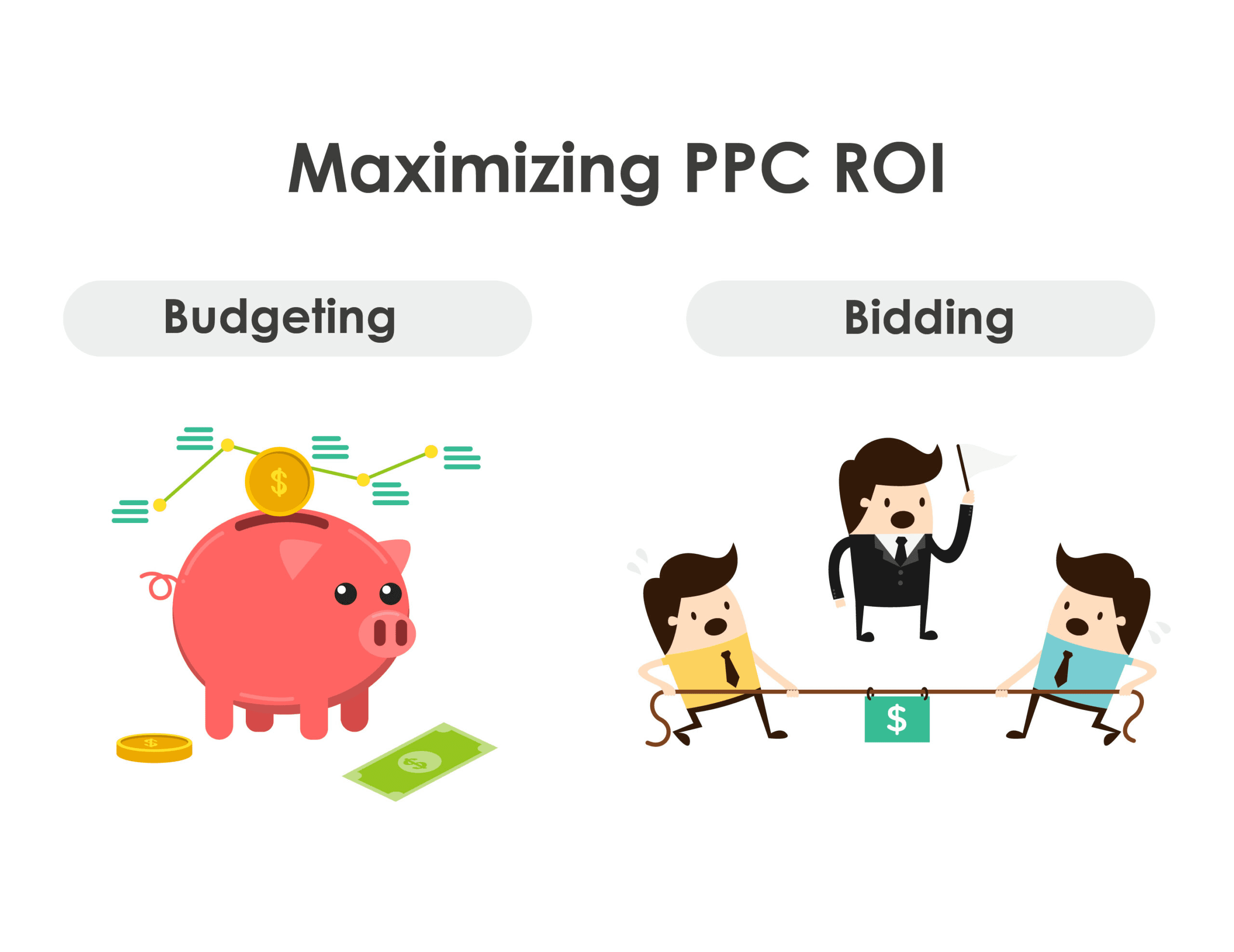
Moreover, PPC tools help manage budgets more effectively. They prevent overspending by optimizing ad spend. This leads to better resource allocation and maximizing returns.
Using the right tools ensures campaigns stay competitive. They enable businesses to adapt quickly to market changes. Ultimately, PPC management tools are essential for maintaining a competitive edge.
Types of Pay Per Click Tools
The world of PPC tools is diverse and expanding. Each tool serves a unique purpose, addressing different campaign needs. Understanding the types of tools available is crucial for selecting the right ones.
Categories of PPC Tools:
PPC analysis software
PPC monitoring software
Different tools focus on varied aspects of campaign management. Some excel in data analysis, while others specialize in automation. Knowing these distinctions helps in crafting effective strategies.
Advantages of PPC Tools:
Comprehensive data insights
Streamlined management processes
Various PPC tools also integrate seamlessly with marketing platforms. This integration ensures consistency across all channels. It simplifies the management of multi-channel campaigns.
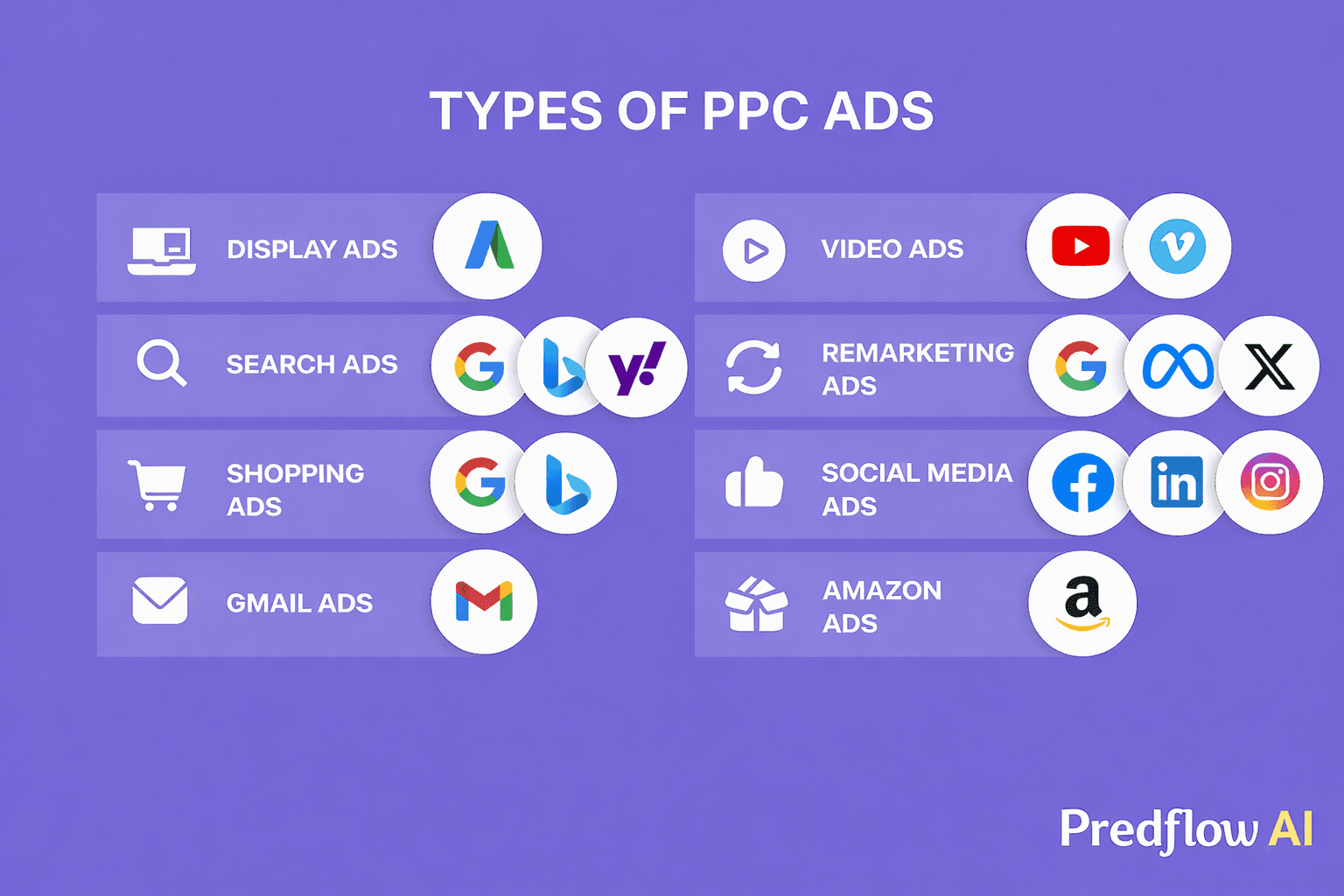
Understanding the types of PPC tools can significantly enhance your campaigns. It equips marketers with the right resources. This knowledge leads to better optimization and higher ROI.
PPC Analysis Software
PPC analysis software is indispensable for data-driven marketers. It provides detailed insights into campaign performance. These insights help identify areas for improvement.
Functions of PPC Analysis Software:
Tracks key performance indicators (KPIs)
Analyzes competitor strategies
The software delves deep into analytics, offering clarity. It uncovers patterns that might remain hidden otherwise. This analysis is pivotal for optimizing campaigns.
PPC analysis tools also offer predictive insights. They anticipate how changes affect future performance. These predictions help in making informed decisions.
PPC Monitoring Software
PPC monitoring software is essential for real-time campaign management. It tracks live data to ensure everything runs smoothly. Swift interventions can prevent potential issues from escalating.
Features of PPC Monitoring Software:
Real-time tracking of campaign metrics
Alerts for performance anomalies
Monitoring software provides updates on various metrics. This tracking allows for adjustments in real-time. Quick responses are integral to maintaining optimal performance.
These tools also alert users to unusual activity. Early warnings help marketers address problems quickly. This responsiveness is crucial for successful campaigns.
PPC Automation Tools
PPC automation tools streamline repetitive tasks. They free up time for strategic thinking. Automation reduces manual effort and errors.
Benefits of PPC Automation Tools:
Automates bidding processes
Schedules ad placements
Automation tools increase efficiency in managing campaigns. They handle complex tasks like bid adjustments effortlessly. This efficiency leads to better resource allocation.
These tools also help in optimizing ad delivery times. Scheduled placements ensure ads reach the right audience. Proper automation can greatly enhance overall campaign effectiveness.
Key Features to Look for in PPC Software
Choosing the right PPC software—also known as pay per click software—involves knowing essential features. These features improve efficiency and boost campaign outcomes. Not all tools have the same capabilities, so selection matters.
Must-Have Features:
Customizable dashboards
Real-time data tracking
Custom dashboards allow marketers to view personalized performance metrics. This feature simplifies data analysis and accelerates decision-making.
Real-time tracking provides up-to-the-minute insights. These insights are crucial for making timely adjustments. Quick actions are often necessary for maintaining competitive performance.
Advanced Features to Consider:
Predictive analytics
A/B testing functionality
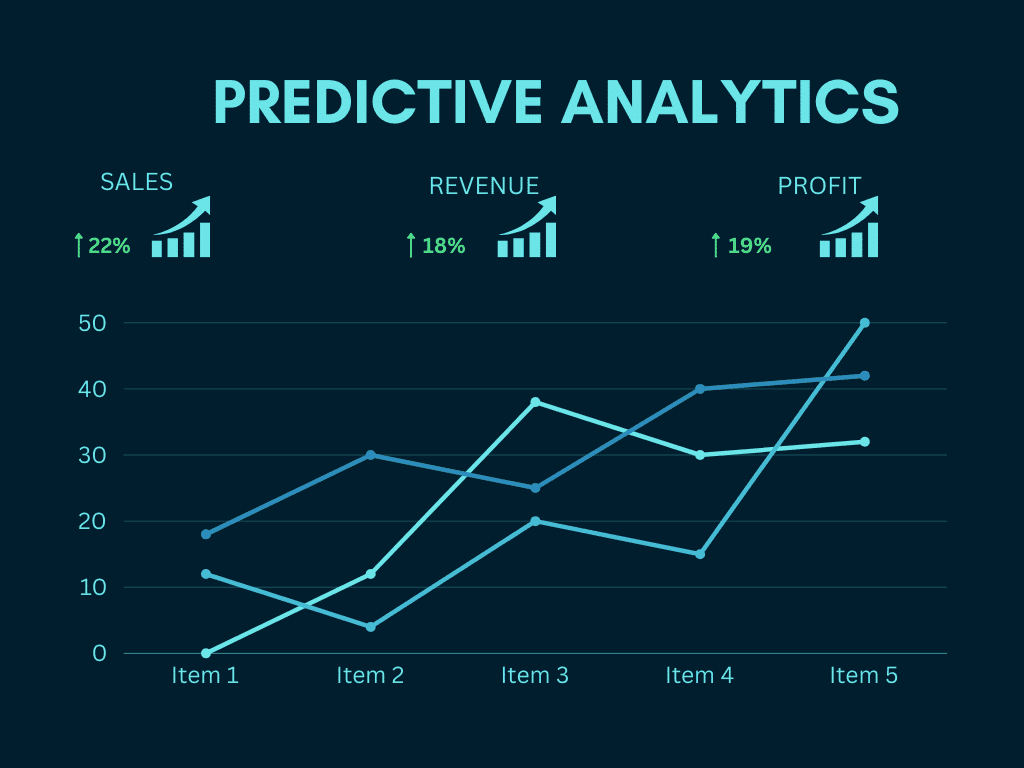
Predictive analytics forecast campaign outcomes. This forecasting helps in strategic planning and resource allocation. Knowing the potential impact of changes aids in proactive management.
A/B testing capabilities refine ad targeting. Testing helps determine which strategies perform best, maximizing effectiveness. Effective testing can greatly enhance conversion rates.
Top PPC Management Tools in 2024
In 2024, PPC management tools will become vital for advertisers seeking increased efficiency. These tools enhance strategies and optimize ad budgets.
Leading tools offer diverse capabilities. They cater to various marketing needs, from analysis to automation. With so many options, knowing key players is crucial.
Noteworthy PPC Management Tools:
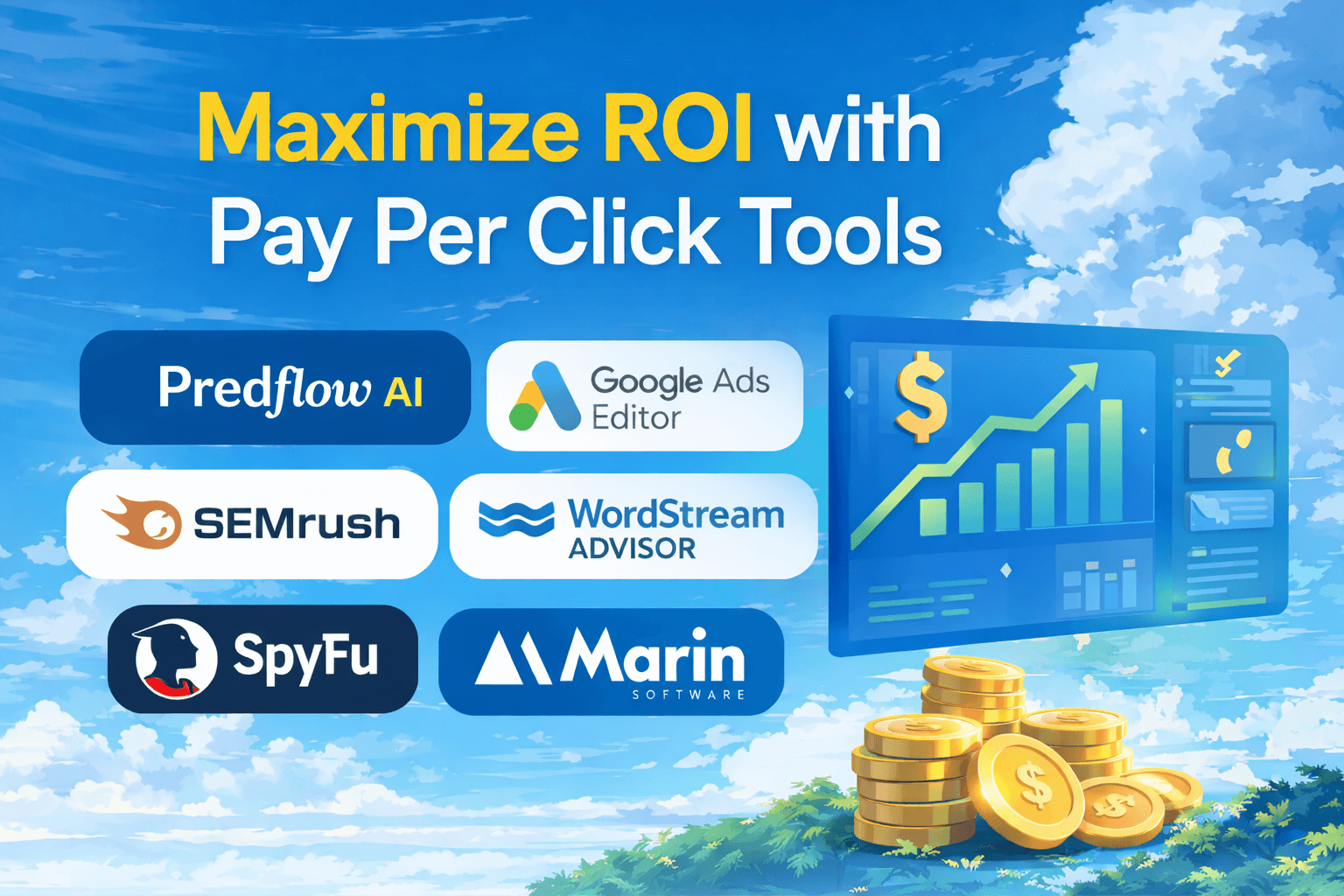
Predflow AI (predflow.ai)
Google Ads Editor
SEMrush
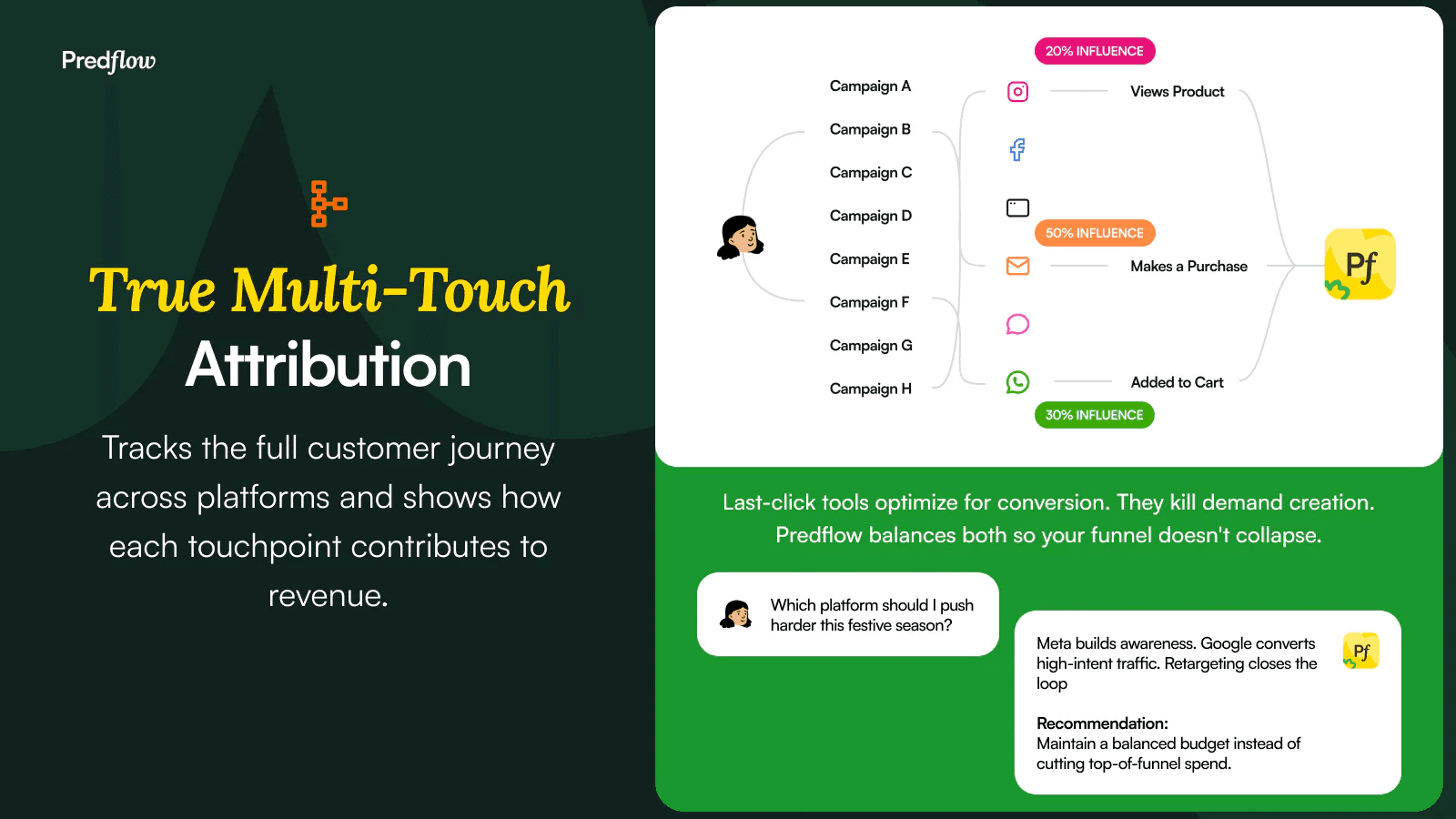
Predflow AI is gaining recognition with its predictive capabilities. It leverages AI for smarter bidding and targeting. AI-driven tools are setting new standards in PPC optimization.
Google Ads Editor remains popular for its robust features. It's well-suited for bulk editing and offline work. Efficiency is key when managing large campaigns.
SEMrush offers valuable insights into keyword performance and competitor analysis. It's a go-to for comprehensive PPC analysis. SEMrush's analytics streamline strategic planning.
Rising Stars in the PPC Arena:
WordStream Advisor
SpyFu
Marin Software
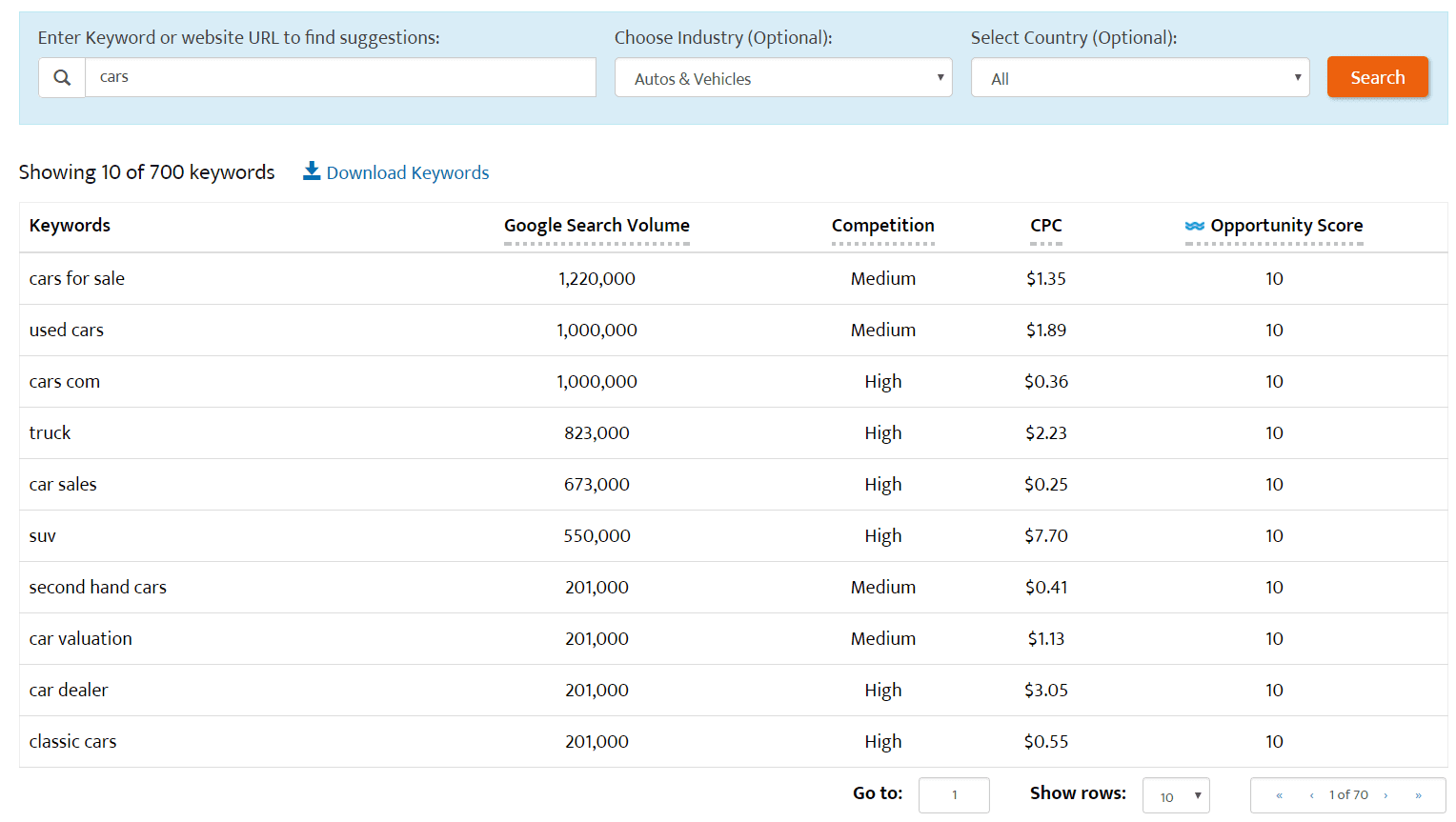
WordStream Advisor simplifies campaign management. Its user-friendly interface is ideal for small businesses. Ease of use can boost adoption and results.
SpyFu excels in competitor research, providing an edge. Knowing your competition guides more effective strategies. Competitive insights are invaluable for tweaking ad placements.
Marin Software integrates with multiple platforms seamlessly. Cross-platform management enhances marketing alignment. Integration ability improves oversight and campaign synergy.
Choosing the right tool depends on specific business needs and goals. Consider features, budget, and future scalability. Adaptability is important in the ever-evolving digital landscape.
Predflow AI: Agents for PPC Optimization
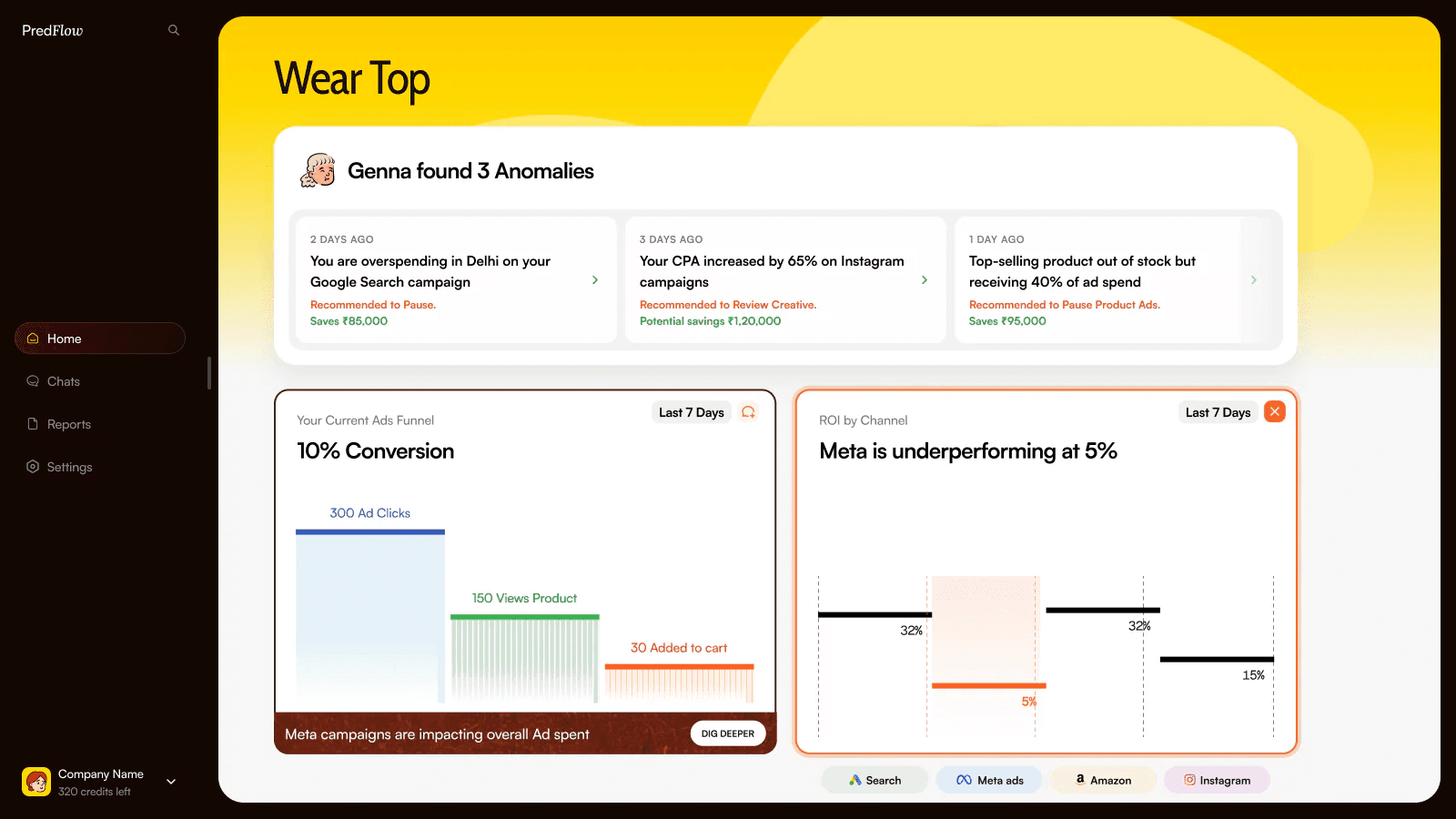
Predflow AI is transforming how PPC campaigns are optimized. Its advanced AI offers predictive insights for better ad efficiency. As a result, marketers can anticipate outcomes and adjust strategies proactively. Predflow AI Key Features:
AI-driven optimization
Predictive analytics
AI-driven features allow for smarter bid adjustments. This optimization leads to reduced costs and increased returns. Effective bidding is crucial for maintaining ad competitiveness.
Predictive analytics also provide actionable insights. Knowing future trends enhances campaign planning. Informed decisions enable marketers to better allocate resources.
Predflow AI's intuitive interface makes it accessible to all users. The ease of use boosts adoption across teams. Clear visuals and simple navigation are vital for user satisfaction.
Implementing Predflow AI can redefine PPC strategies. Businesses experience higher efficiency and improved ROI. Staying ahead of trends ensures marketing success.
Other Leading Paid Search Tools
Several other paid search tools are gaining traction. They enhance PPC campaigns through specific functionalities. Knowing these tools aids in informed decision-making. Innovative Paid Search Tools:
Microsoft Advertising
Google Search Ads 360
AdRoll
Microsoft Advertising offers robust targeting options. It integrates seamlessly with various advertising channels. Expanded reach often translates to greater impact.
Google Search Ads 360 focuses on comprehensive management. Its integration with Google platforms is a significant advantage. Managing multiple campaigns becomes more efficient and streamlined.
AdRoll excels in retargeting campaigns. It helps bring back potential customers. Effective retargeting boosts conversion rates and maximizes returns.

by Ayadi Ghaith (https://unsplash.com/@ayadighaith)
Choosing the right tool depends on your specific marketing needs. Consider unique features and how they align with campaign goals. Alignment is key to successful tool integration. These paid search tools and pay per click software can complement core PPC management tools to round out your stack.
Overall, combining the right tools with a strategic approach maximizes ROI. As PPC tools continue to evolve, staying updated is essential. Adaptability ensures long-term success in digital advertising.
How to Choose the Right PPC Tools for Your Business
Choosing the ideal PPC tools involves aligning features with business needs. Start by assessing your campaign objectives and budget constraints. This understanding helps in narrowing down options.
Consider the size and complexity of your campaigns. Different tools offer varying capabilities for small or large-scale operations. Ensuring that the tool can scale with your business is essential.
Key Factors to Consider:
Budget and cost
Required features
Scalability
Integration capabilities
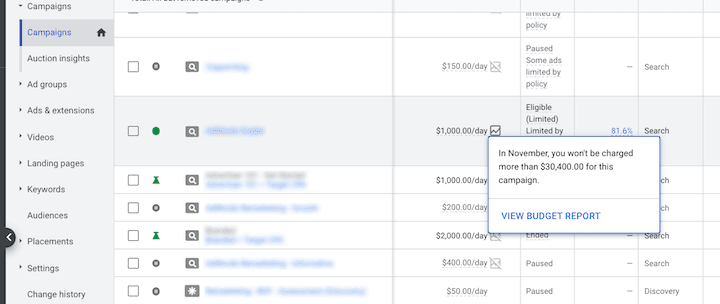
Integration with existing systems is crucial for seamless operation. Check if your PPC software easily connects with your marketing stack. Seamless integration saves time and enhances data flow.
Finally, take advantage of free trials or demos. Testing a tool beforehand provides insights into its usability and performance. Making an informed decision ensures your marketing efforts are effective.
Best Practices for Maximizing ROI with PPC Tools
To maximize ROI, continuous refinement of your PPC strategy is crucial. Regularly update your campaigns based on performance data. Leverage data-driven insights to identify what's working and what isn't.
Effective targeting is key to successful PPC campaigns. Use audience insights to refine your targeting parameters. This ensures your ads reach the most relevant audience.
Tips for Targeting and Bidding:
Identify high-converting keywords
Adjust bids based on performance
Utilize negative keywords
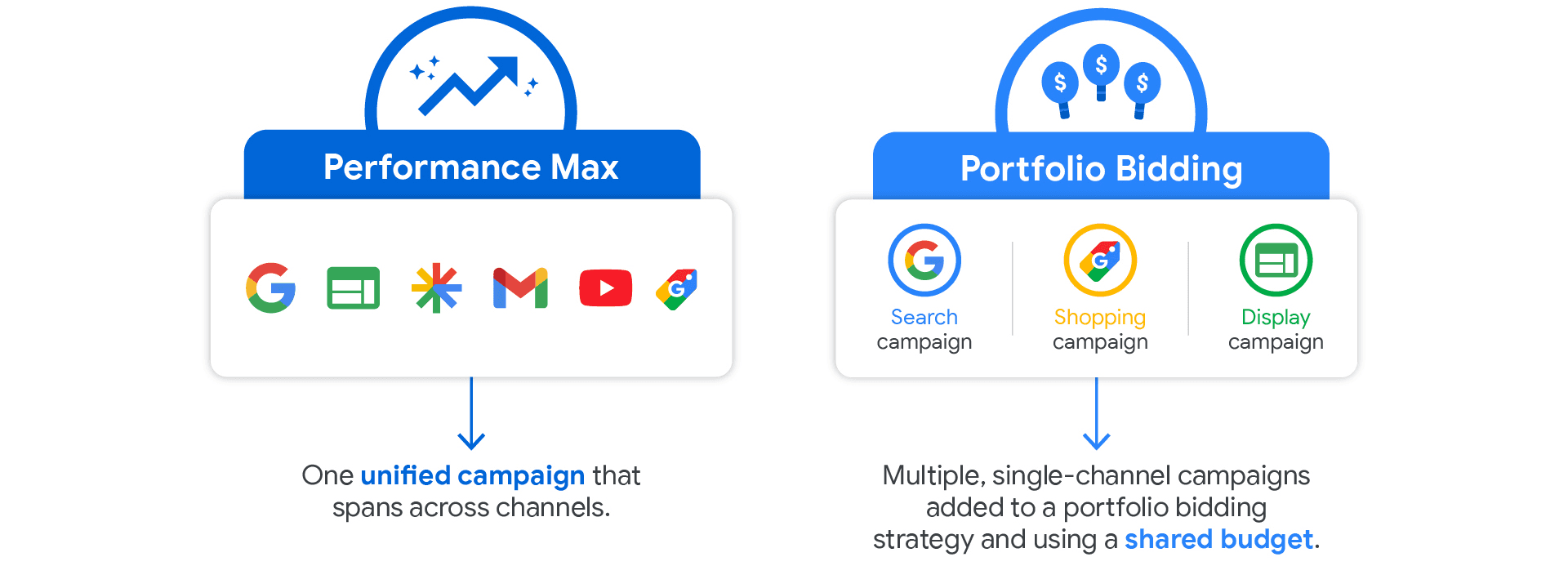
In addition to targeting, focus on ad relevance and quality. Well-crafted ad copy improves click-through rates and reduces costs. A/B testing can help discover the most effective language and headlines.
Enhancing Ad Performance:
Write compelling ad copy
Conduct regular A/B tests
Optimize landing pages
Finally, monitor and adjust your budget allocation. This flexibility allows you to fund campaigns that show promise and scale back on those underperforming.
Integrating PPC Tools with Your Marketing Stack
Integrating PPC tools with your broader marketing stack can unlock new synergies. Seamless integration ensures data flows smoothly between platforms, enhancing analysis. This helps in making informed decisions across all marketing channels.
To achieve effective integration, ensure compatibility among tools and systems. Check if your PPC software works well with your CRM, analytics, and email marketing platforms. Integration not only streamlines workflows but also facilitates comprehensive reporting.
Benefits of Integration:
Unified data reporting
Streamlined workflows
Enhanced cross-channel insights
By integrating effectively, you can create a more cohesive and efficient marketing strategy.
Future Trends in PPC Management and Automation
The landscape of PPC management is evolving rapidly with new technology. AI and machine learning are taking center stage in optimizing campaigns. These technologies enhance personalization and targeting, driving better results.
Emerging trends include voice search adaptation and visual search optimization. These advancements require new tactics and strategies for PPC campaigns. Staying ahead of these trends can provide a competitive edge.
Key Emerging Trends:
AI-driven personalization
Voice and visual search optimization
Real-time bidding enhancements
Anticipating and adapting to these trends will be critical for continued success in PPC advertising.
Conclusion: Take Your PPC Campaigns to the Next Level
Leveraging the right PPC management tools can transform your advertising efforts. They help streamline processes and improve ROI significantly. Using these tools effectively requires understanding their features and capabilities.
Continuously refining your strategies with the latest tools ensures you stay ahead. Stay proactive in learning and adapting to new trends. This approach will keep your PPC campaigns competitive and efficient.
Q&A
Question: How do PPC management tools actually maximize ROI?
Short answer: They streamline complex tasks and improve decision-making. By automating bidding, sharpening keyword targeting, and tracking performance in real time, these tools reduce wasted spend and allocate budget to what works. Data-driven analytics highlight high-converting keywords and underperforming ads, enabling quick optimizations that lift profitability.
Question: What's the difference between PPC analysis, monitoring, and automation tools?
Short answer: Analysis tools dig into performance data and competitors to reveal insights and opportunities, including predictive forecasts. Monitoring tools watch live metrics, flag anomalies, and support rapid, real-time adjustments. Automation tools handle repetitive tasks like bid changes and ad scheduling, improving efficiency and reducing errors.
Question: Which PPC tools should I consider in 2026, and what are they best for?
Short answer: Predflow AI stands out for AI-driven optimization and predictive analytics. Google Ads Editor excels at bulk edits and offline management, while SEMrush is strong for keyword research and competitor analysis. WordStream Advisor suits small businesses, SpyFu is ideal for competitive insights, and Marin Software helps with cross-platform management; Microsoft Advertising, Google Search Ads 360, and AdRoll support robust targeting, multi-campaign control, and retargeting, respectively.
Question: What key features should I prioritize when choosing PPC software?
Short answer: Start with customizable dashboards and real-time data tracking to speed analysis and timely decisions. Consider advanced capabilities like predictive analytics for forecasting outcomes and A/B testing for refining creatives and targeting. Also weigh budget, scalability, and integration with your existing stack to future-proof your choice.
Question: How can I use PPC tools to improve performance week to week?
Short answer: Regularly review KPIs, identify high-converting keywords, and adjust bids based on performance while adding negative keywords to cut waste. Continuously A/B test ad copy and optimize landing pages to raise relevance and conversion rates. Reallocate budget toward promising campaigns and use monitoring alerts to react quickly to performance shifts.
Improve Ad performance with Predflow
Diagnose performance drops, creative fatigue, and attribution shifts