



8 Essential Tools for D2C Performance Marketers in 2026
If you run performance for a D2C brand today, you already know the job is no longer just about running ads.
It is about surviving the data chaos.
Meta says one thing. Shopify says another. Google Ads tells a third story. Your dashboard tries to play referee. Meanwhile the founder is asking why ROAS dropped yesterday.
After working with multiple D2C teams, one thing has become very clear. The marketers who scale calmly are not necessarily better at targeting or creatives. They are better at building systems around themselves.
Let’s talk about tools that genuinely change the day to day reality of performance marketing.
1. Predflow – Your AI Growth Assistant
Most performance teams do not struggle with data collection. They struggle with data interpretation.
You open Shopify. Then Meta Ads Manager. Then Google Ads. Then GA4. Every platform tells a slightly different story. None of them explain why performance shifted.
This is where Predflow fits unusually well into a modern stack.
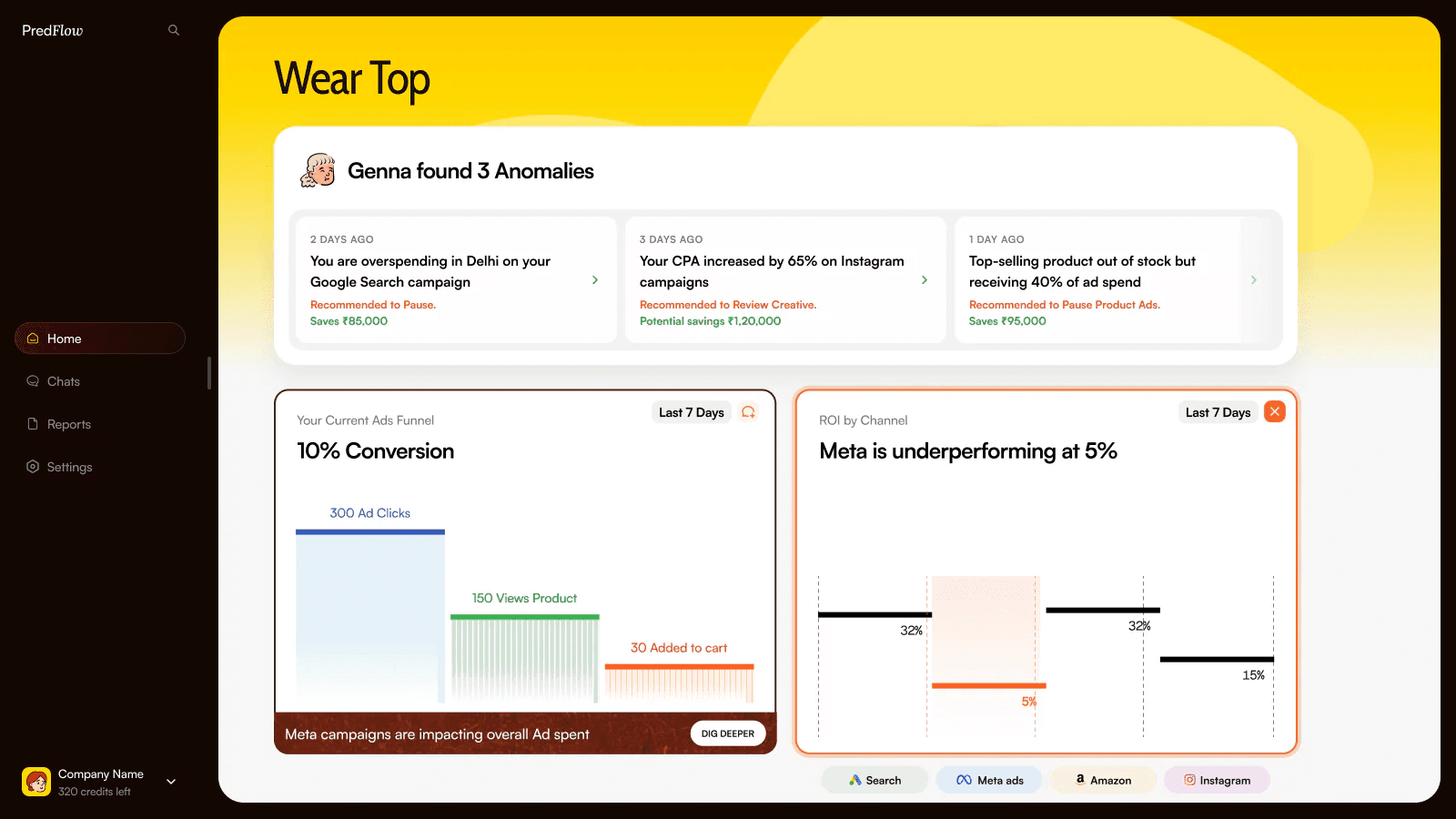
Instead of acting like another dashboard, it behaves more like a junior data analyst that never sleeps. It connects store data and ad platforms, then continuously looks for patterns, anomalies, and performance shifts.
What makes it valuable is not just reporting.
It helps answer questions marketers actually ask:
• Why did ROAS drop yesterday?
• Which channel is really driving revenue?
• Is this a creative problem or a traffic problem?
• Did something break or is this normal variance?
Beyond analytics, Predflow’s attribution layer helps teams move past last click bias. And the anomaly detection agents are surprisingly practical. They flag issues that usually take hours of manual investigation.
In practice, it feels like someone constantly scanning your performance and whispering, “Something changed. Here’s where to look.”
For lean D2C teams, this is often the difference between reactive decision making and controlled scaling.
2. Google Looker Studio: Custom Dashboards & Data Visualization
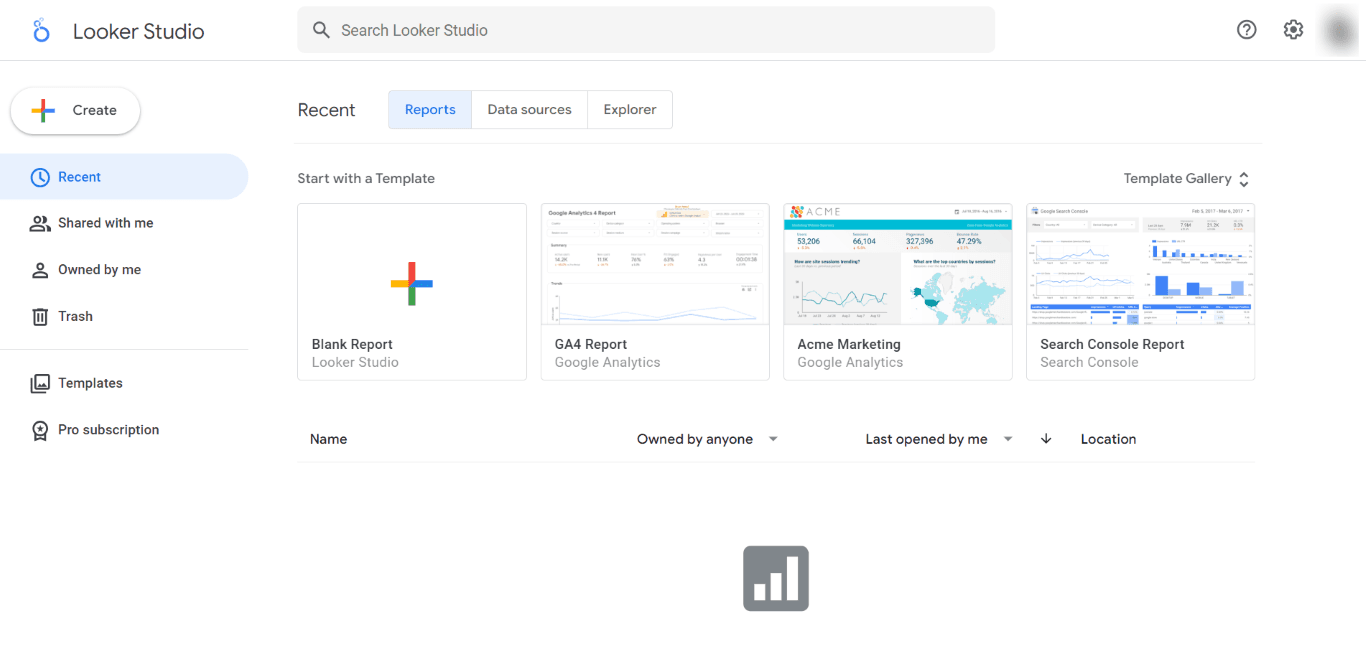
For years, Google Looker Studio (you might still know it as Data Studio) has been my canvas for building custom dashboards. It’s fantastic for pulling data from various sources and visualizing it in a way that makes sense for each client. I’ve spent countless hours crafting intricate reports that tell a story with our data.
However, if you’re like me and sometimes wish those dashboards could build themselves, or if you’re craving a single platform that not only shows you the data but also tells you what to do with it, then you might find yourself looking for something more automated. That’s where tools like Predflow.ai really shine, offering those insights without the constant manual dashboard building.
3. GA4 – Still Essential Despite Friction
While attribution tools give us the big picture of ad performance, Google Analytics 4 (GA4) is essential for understanding how users interact with our websites. It’s an event-based analytics platform that gives us incredibly granular data on user journeys, conversion funnels, and site performance. While it has a steeper learning curve than its predecessor, the insights we gain from GA4 are crucial for optimizing the on-site experience and identifying areas for improvement that directly impact conversion rates.
4. Meta Ads Library – The Most Underrated Research Tool
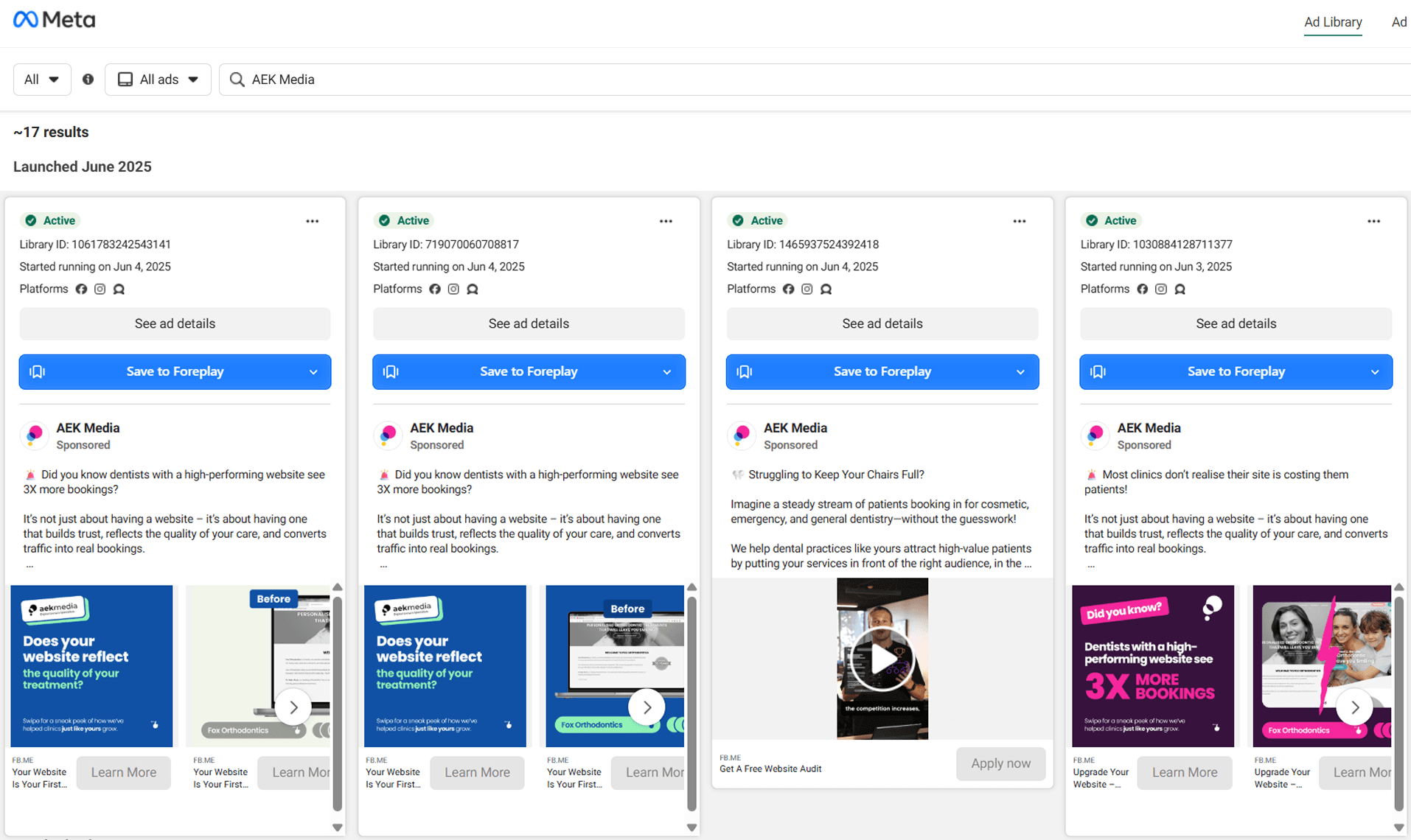
Most marketers treat the Meta Ads Library as a spying tool. That framing is limiting. In reality, it is one of the best creative research databases available.
You can observe:
• Messaging trends
• Creative angles
• Offer structures
• Visual patterns
• Category positioning shifts
Over time, patterns emerge. Winning hooks. Recurring narratives. Visual styles that consistently dominate certain niches. The Ads Library is less about copying ads and more about understanding market psychology.
If your goal is not just to observe competitors but to systematically outperform them, tools can significantly accelerate this process. For example, Predflow’s free Ad Insights tool analyzes ads directly from the Meta Ads Library and highlights what to improve across creative, copy, CTA, and audience alignment.
Instead of guessing why a competitor’s ad works, you start seeing structured guidance on how to refine your own.
5. Klaviyo: Email & SMS Marketing Automation
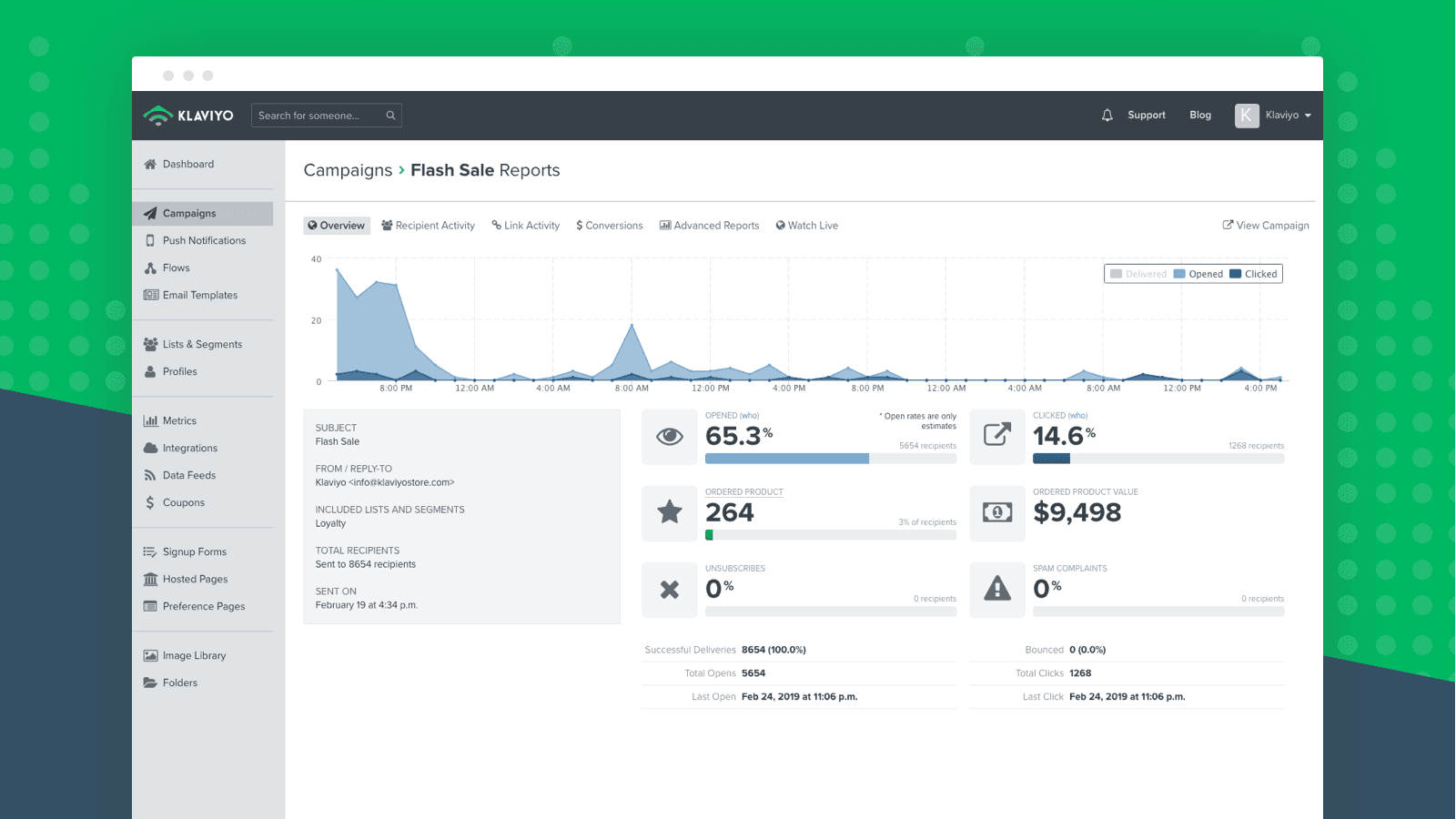
For customer retention and maximizing Lifetime Value (LTV), Klaviyo is simply unmatched. It’s not just for sending newsletters; its segmentation capabilities are incredibly powerful. We use it to create hyper-personalized email and SMS flows based on customer behavior – think abandoned cart reminders, post-purchase upsells, win-back campaigns, and even birthday messages. The ability to connect directly with customer data from Shopify and other platforms means we can send the right message to the right person at the right time, significantly boosting repeat purchases and customer loyalty.
6. Google Trends: Spotting Opportunities & Predicting Demand
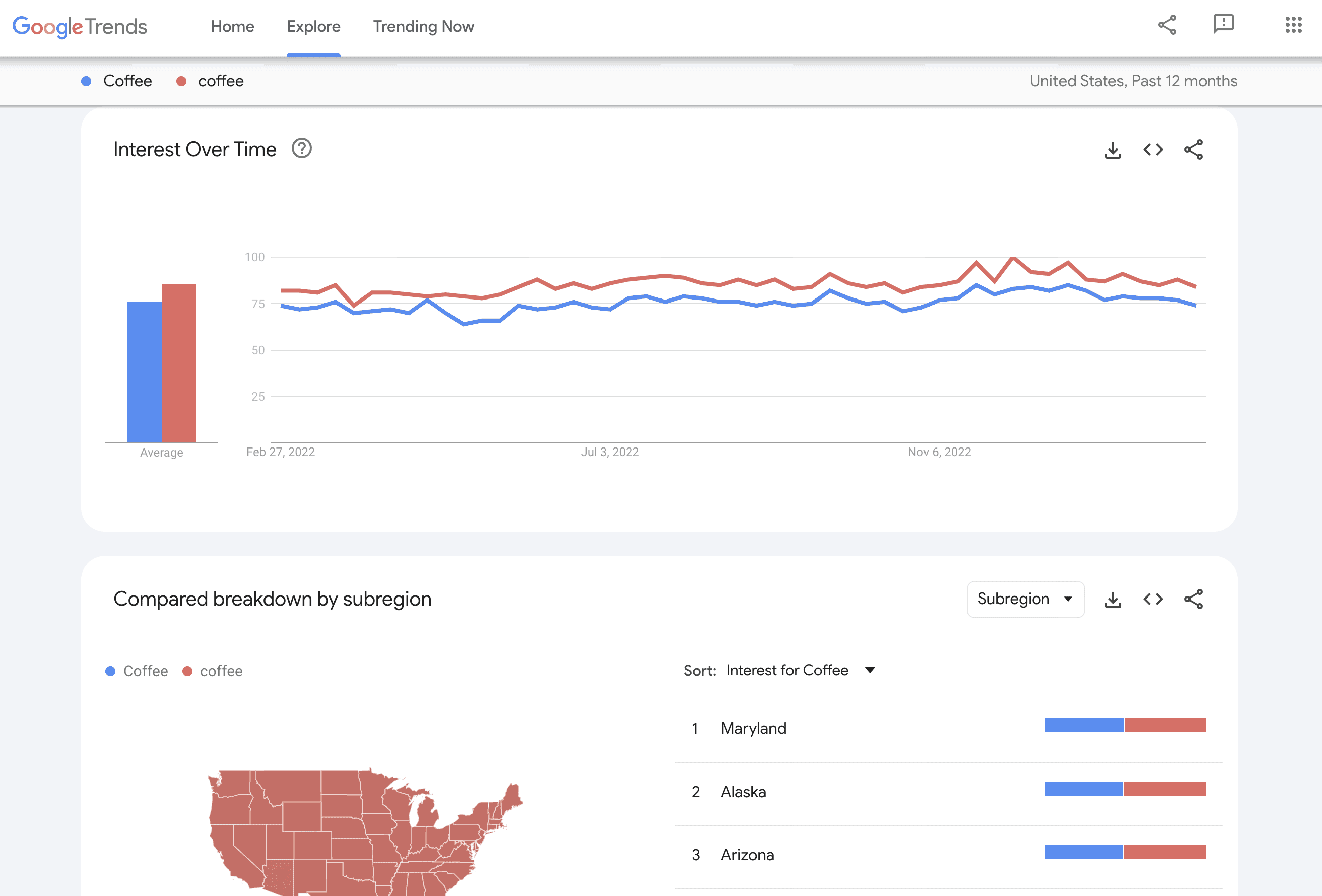
While we’re deep in the weeds of our own data, it’s easy to lose sight of the bigger picture. That’s where Google Trends comes in. It’s a powerhouse for spotting seasonal shifts, emerging product categories, and changes in consumer interest before they even hit your store data. I use it to validate new product ideas, time our marketing campaigns perfectly, and even identify potential demand drops. It’s like having a crystal ball for market sentiment, helping us stay agile and proactive in our D2C strategy.
7. Ahrefs/Semrush: SEO & Competitor Analysis
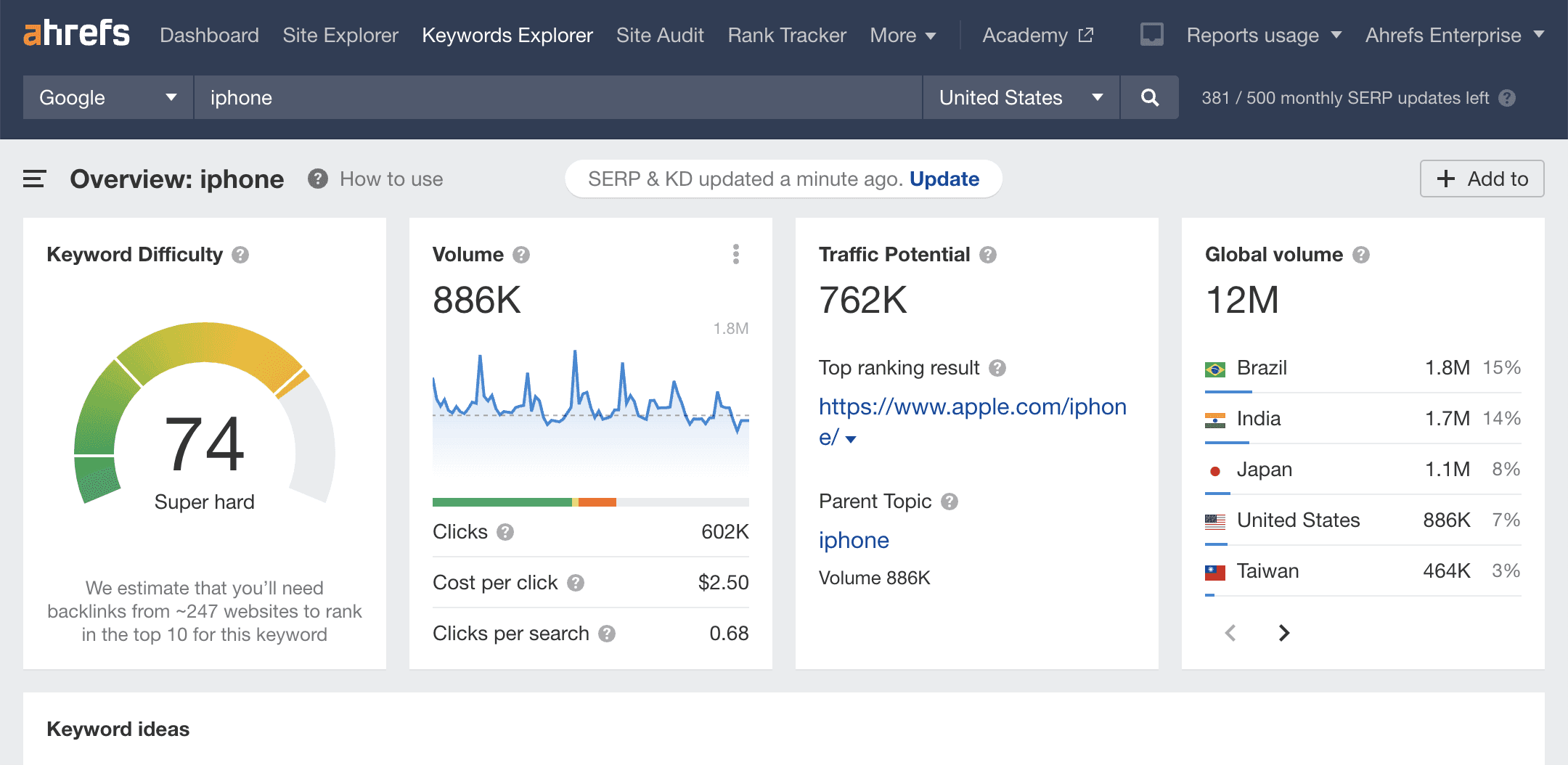
Ahrefs is one of my favorite tools for organic growth and understanding the competitive landscape. Tools like Ahrefs or Semrush are non-negotiable. I use them for keyword research, competitor analysis, backlink auditing, and tracking our organic rankings. Knowing what keywords our target audience is searching for, what content our competitors are ranking with, and where our own site has opportunities to improve its visibility is fundamental to a holistic D2C marketing strategy. They provide the data needed to inform content creation and technical SEO efforts.
8. Slack/Asana (or similar project management tool): Team Collaboration
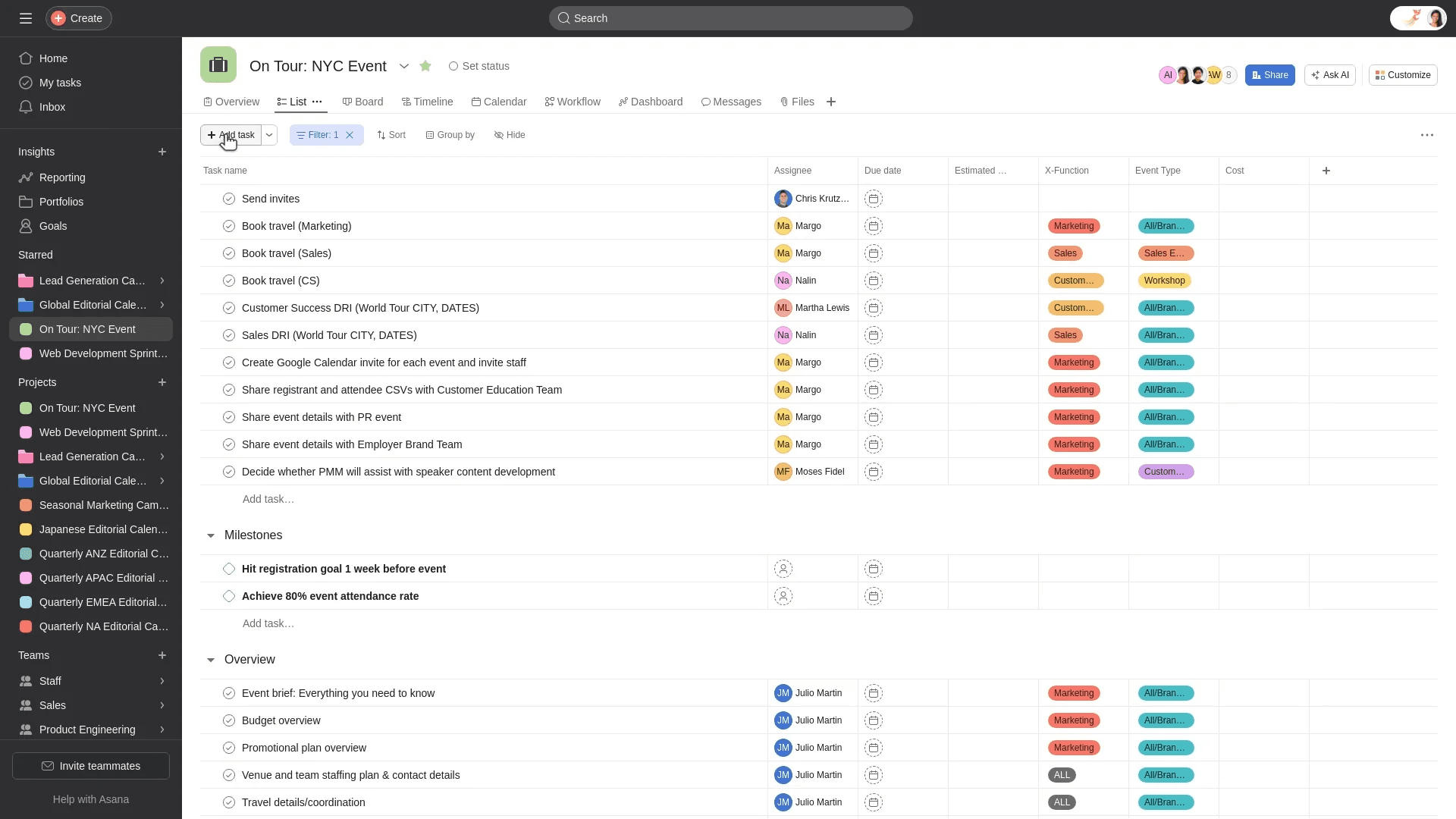
Finally, and perhaps most importantly, a robust project management and communication tool like Slack or Asana is essential. Performance marketing isn't a solo sport. Coordinating with creative teams, developers, client contacts, and other stakeholders requires seamless communication and clear task management. These tools ensure everyone is on the same page, deadlines are met, and campaigns are executed smoothly. Without efficient internal communication, even the best tools and strategies can fall flat.
Bringing It All Together
Building a successful D2C brand in 2026 means leveraging technology smartly. It’s not about having the most tools, but the right tools that work together to give you a clear picture of your performance and help you make data-driven decisions. The combination of an AI-powered growth assistant like Predflow.ai with robust analytics, automation, and collaboration tools creates a powerful ecosystem that can truly unlock profitable growth for your D2C brand.
Improve Ad performance with Predflow
Diagnose performance drops, creative fatigue, and attribution shifts